
Advanced Care to Relieve Nerve Compression and Restore Mobility
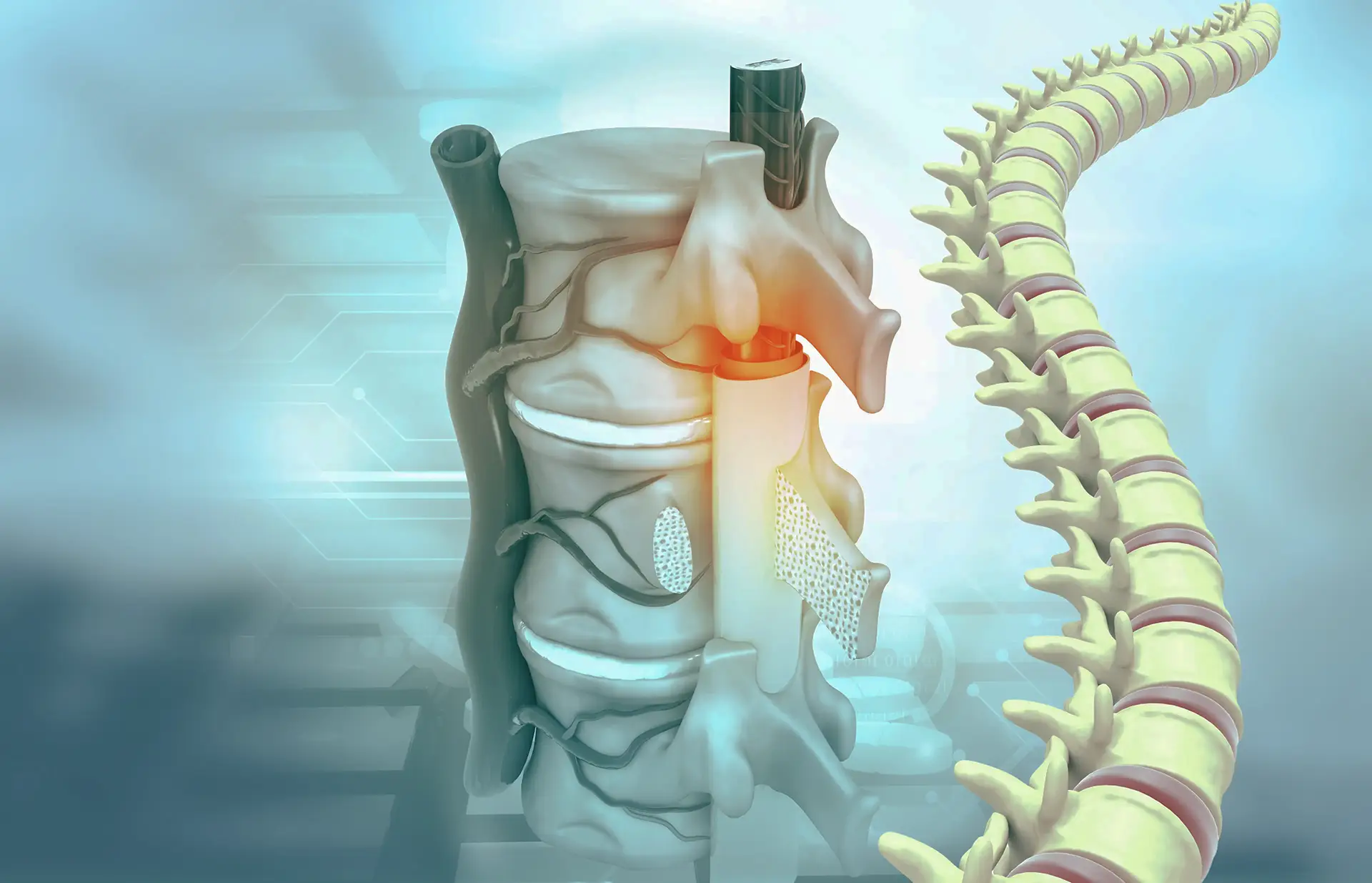
Spinal stenosis is a condition in which the spaces within your spine narrow, putting pressure on the spinal cord and nerves. It is a common cause of back pain, leg numbness, and walking difficulty, particularly in adults over the age of 50. Without timely treatment, spinal stenosis can severely impact mobility, independence, and quality of life.
At Starcare International Hospital, we offer expert diagnosis and personalized treatment plans for spinal stenosis, ranging from non-surgical therapies to advanced minimally invasive spine surgery. Our goal is to relieve nerve compression, reduce pain, and help you return to a more active, pain-free life.
What Is Spinal Stenosis?
Spinal stenosis occurs when the spinal canal becomes narrowed due to structural changes or degeneration. This compression can irritate or pinch the nerves that travel through the spine, leading to pain, tingling, and weakness.
Stenosis most often occurs in two regions:
-
Cervical spinal stenosis (neck)
-
Lumbar spinal stenosis (lower back)
Causes of Spinal Stenosis
-
Age-related disc degeneration
-
Thickening of ligaments (ligamentum flavum hypertrophy)
-
Bone overgrowth (osteophytes or bone spurs)
-
Herniated or bulging discs
-
Facet joint arthritis
-
Congenital spinal canal narrowing
-
Spinal trauma or surgery
-
Tumors or cysts compressing the spinal cord
Common Symptoms
Symptoms vary depending on the location and severity of the stenosis:
Cervical Spinal Stenosis
-
Neck pain or stiffness
-
Numbness or tingling in arms or hands
-
Arm or hand weakness
-
Balance problems or gait disturbances
-
In severe cases, loss of bladder or bowel control (myelopathy)
Lumbar Spinal Stenosis
-
Lower back pain
-
Leg pain, cramping, or numbness (neurogenic claudication)
-
Pain worsens with walking or standing and improves when sitting or bending forward
-
Weakness in legs or feet
-
Difficulty with prolonged standing or climbing stairs
Diagnosis at Starcare
Our spine specialists use advanced diagnostic tools to confirm the cause and location of stenosis:
-
Spinal X-rays to assess alignment and bone changes
-
MRI to visualize nerve compression and disc condition
-
CT scan or CT myelogram for detailed bone and spinal canal images
-
Nerve conduction studies (EMG/NCV) to evaluate nerve function
Non-Surgical Treatment Options
Most cases of mild to moderate spinal stenosis can be managed without surgery through a combination of conservative therapies:
-
Physiotherapy: Strengthening, stretching, posture correction, and gait training
-
Medications: Anti-inflammatory drugs, neuropathic pain medications, and muscle relaxants
-
Epidural steroid injections: Targeted relief of nerve inflammation and pain
-
Activity modification and ergonomic corrections
-
Lumbar flexion exercises to relieve pressure on spinal nerves
Our rehabilitation team creates a personalized plan to improve flexibility, core strength, and walking endurance.
Surgical Treatment for Severe Spinal Stenosis
Surgery is recommended when:
-
Symptoms persist or worsen despite conservative care
-
You experience leg weakness, balance issues, or progressive nerve damage
-
MRI shows significant nerve compression
-
Your mobility and quality of life are significantly impaired
Surgical options include:
-
Decompression Surgery (Laminectomy or Laminotomy)
Removal of bone or ligament pressing on spinal nerves to create more space. -
Foraminotomy
Enlarging the nerve root exit openings (foramina) to reduce nerve pinching. -
Spinal Fusion
Stabilization of the spine using rods, screws, and bone grafts—recommended if there is spinal instability. -
Minimally Invasive Spine Surgery (MISS)
Advanced techniques using small incisions, less tissue damage, and faster recovery time.
Our surgeons use real-time imaging and advanced tools to ensure precision, safety, and optimal long-term outcomes.
Recovery and Rehabilitation
-
Most patients can walk the same or next day after surgery
-
Hospital stay is typically 1–3 days depending on the procedure
-
Physiotherapy starts early to restore mobility and strength
-
Return to normal activities within 4–6 weeks
-
Regular follow-up ensures proper healing and spinal alignment
Why Choose Starcare for Spinal Stenosis Treatment?
-
Globally trained orthopedic spine surgeons
-
Multidisciplinary team including pain specialists, neurologists, and physiotherapists
-
Advanced imaging and surgical technology
-
Emphasis on non-surgical treatment first
-
Proven outcomes with minimally invasive and decompression surgeries
-
Compassionate care and personalized recovery plans
Whether your spinal stenosis is causing back pain, leg weakness, or difficulty walking, our team at Starcare is here to help you move with confidence again.