
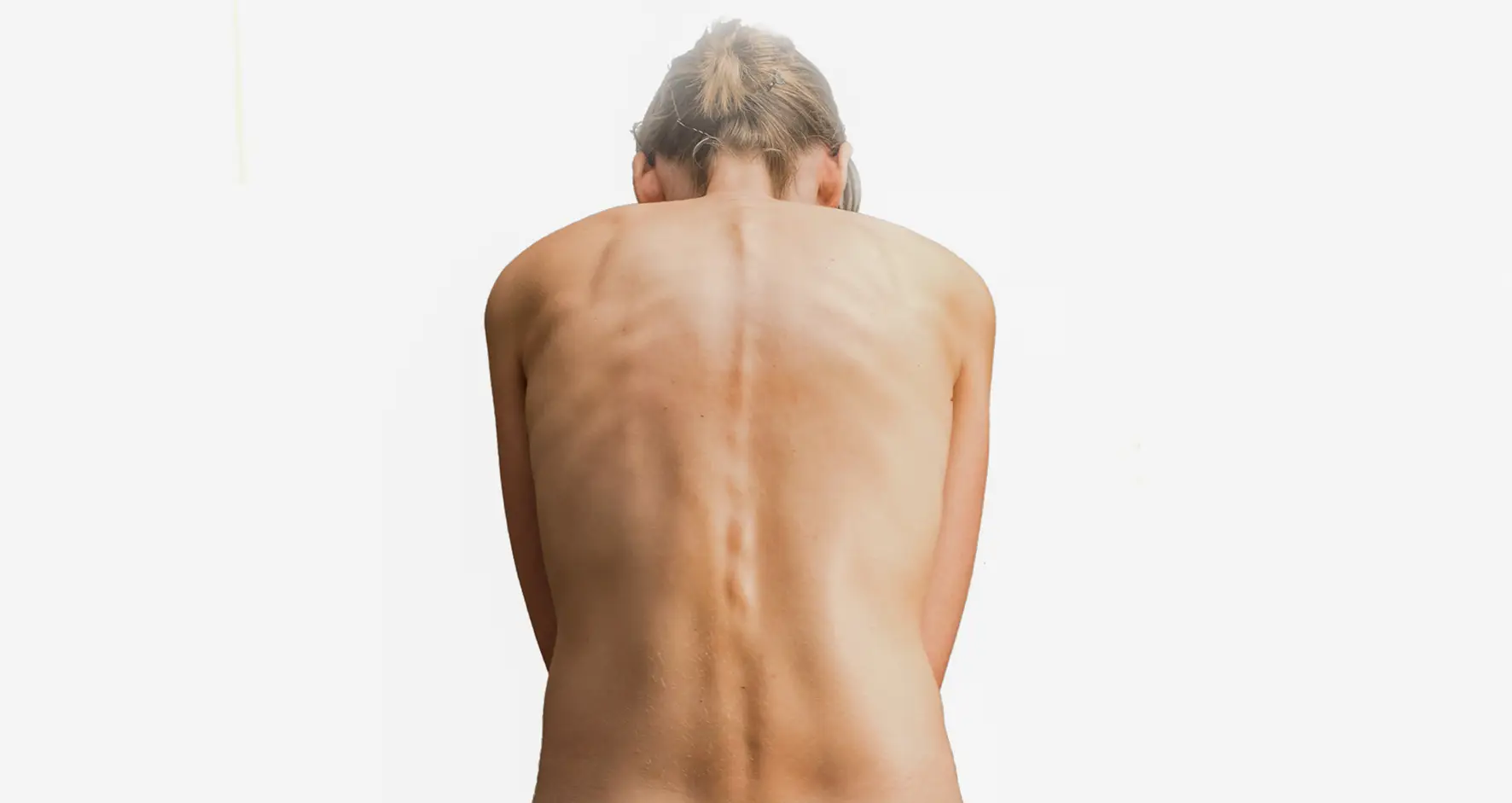
Advanced Spine Deformity Care for Children, Teens, and Adults
Spinal deformities like scoliosis and kyphosis can affect posture, mobility, confidence, and even lung and heart function in severe cases. At Starcare International Hospital, our spine specialists provide comprehensive evaluation and personalized correction strategies for scoliosis and kyphosis, using the latest in non-surgical management and surgical reconstruction.
Our team of orthopedic spine surgeons is experienced in managing both pediatric and adult spinal deformities, ensuring safe, effective, and aesthetically favorable outcomes.
What Are Scoliosis and Kyphosis?
Scoliosis is a sideways curvature of the spine, often developing during growth spurts in adolescence. The spine may curve in an “S” or “C” shape and can cause uneven shoulders, waistline asymmetry, and rib prominence.
Kyphosis refers to an excessive forward rounding of the upper back, leading to a hunched or stooped posture. While mild kyphosis may cause minimal symptoms, severe forms can lead to pain, breathing difficulty, and deformity.
Both conditions can be congenital (present at birth), developmental, or acquired due to injury, degenerative disease, or poor posture.
Common Causes
-
Adolescent Idiopathic Scoliosis (most common in teens)
-
Congenital vertebral anomalies
-
Scheuermann’s disease (juvenile kyphosis)
-
Degenerative spine disease (common in adults)
-
Postural habits and poor ergonomics
-
Neuromuscular conditions like cerebral palsy or muscular dystrophy
-
Vertebral compression fractures (often due to osteoporosis)
Symptoms
-
Uneven shoulders, waist, or hips
-
Visible spine curvature or rib prominence
-
Back pain or fatigue from prolonged sitting/standing
-
Stiffness or limited spinal mobility
-
Difficulty breathing (in advanced kyphosis or scoliosis)
-
Nerve compression causing numbness or leg pain (in degenerative curves)
Early detection and regular monitoring are key to preventing progression and complications.
Diagnosis at Starcare
We begin with a thorough clinical evaluation, postural assessment, and imaging studies:
-
Standing full-spine X-rays to measure the curvature (Cobb angle)
-
MRI or CT scan if neurological symptoms or spinal anomalies are present
-
Pulmonary function tests in severe cases to assess lung capacity
-
3D spinal assessment tools for surgical planning
Our specialists classify the type and severity of the curve to determine the best management approach.
Treatment Options
The goal is to prevent curve progression, correct spinal alignment, and restore function. Treatment is based on age, curve severity, and symptoms.
Non-Surgical Management
-
Observation and monitoring for mild, stable curves
-
Bracing for growing children or adolescents with moderate scoliosis
-
Physiotherapy and posture correction exercises
-
Schroth therapy: Specialized exercises for scoliosis
-
Pain management in degenerative cases
Non-surgical management is highly effective when started early in the course of the disease.
Surgical Correction
Surgery is recommended when:
-
The spinal curvature exceeds 40–50 degrees and continues to progress
-
The patient experiences significant pain or functional limitations
-
The deformity affects breathing, balance, or quality of life
-
Conservative treatments have failed
Surgical options include:
-
Posterior Spinal Fusion
Realignment and stabilization of the spine using rods, screws, and bone grafts. -
Anterior Release and Fusion
Often combined with posterior surgery in rigid or severe deformities. -
Osteotomies
Bone reshaping for complex or rigid curves. -
Growing Rods/VEPTR (in children)
Expandable implants that allow for spinal growth while correcting deformity. -
Minimally Invasive Spine Correction (for select cases)
Reduced tissue trauma and faster recovery in eligible patients.
Recovery and Rehabilitation
Post-surgical recovery includes:
-
In-hospital stay of 3–5 days for monitoring and early mobilization
-
Use of a brace or support vest if prescribed
-
Supervised physiotherapy to restore flexibility, strength, and posture
-
Return to normal activities within 2–3 months, with full fusion achieved in 6–12 months
-
Regular follow-up to monitor implant integrity and spinal balance
Our multidisciplinary team supports every stage of recovery, ensuring a smooth transition back to active living.
Why Choose Starcare for Spinal Deformity Correction?
-
Highly experienced orthopedic spine surgeons with global training
-
Customized treatment plans for children, teens, and adults
-
Advanced surgical infrastructure and intraoperative imaging
-
Access to bracing, therapy, and long-term spine monitoring
-
Compassionate, patient-focused care with excellent cosmetic and functional results
We understand that spinal deformity affects more than just the back—it impacts self-image, confidence, and lifestyle. At Starcare, we are committed to correcting the curve and restoring quality of life.