
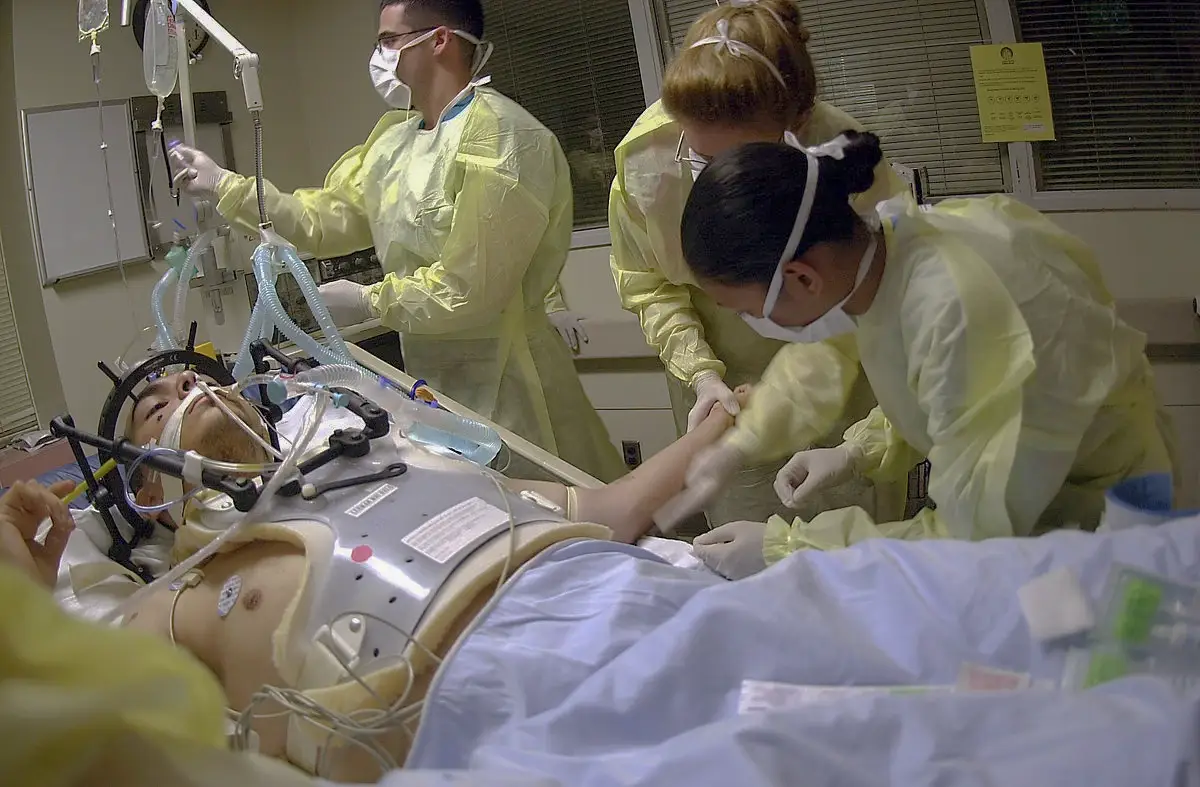
Coordinated Emergency and Surgical Care for Multiple Injuries
Polytrauma refers to situations where a patient suffers multiple traumatic injuries—often involving fractures, internal organ damage, soft tissue injuries, and head or spinal trauma—typically due to high-impact events like road traffic accidents, falls from height, or industrial mishaps.
At Starcare International Hospital, we provide comprehensive polytrauma management through a multidisciplinary trauma team that includes orthopedic surgeons, general surgeons, neurosurgeons, emergency physicians, anesthesiologists, intensivists, and rehabilitation specialists. Our goal is to provide rapid, coordinated care that saves lives, stabilizes the patient, and ensures optimal long-term recovery.
What Is Considered a Polytrauma?
Polytrauma typically involves two or more serious injuries to:
-
Different body regions (e.g., head, chest, limbs)
-
Multiple bones and joints (e.g., pelvis, spine, femur)
-
Vital organs or systems (e.g., lungs, liver, vascular injury)
-
The nervous system (e.g., traumatic brain injury, spinal cord injury)
These injuries can occur simultaneously and often interact to create life-threatening complications if not managed promptly and systematically.
Our Approach to Polytrauma Care
Starcare follows international trauma protocols (ATLS-guided) for early resuscitation, stabilization, definitive treatment, and rehabilitation. Our polytrauma workflow includes:
1. Emergency Stabilization and Resuscitation
-
Advanced trauma life support (ATLS)
-
Airway, breathing, and circulation (ABC) management
-
Hemodynamic monitoring and fluid/blood resuscitation
-
Pain relief and shock management
-
Imaging and trauma scoring
2. Multisystem Assessment and Prioritization
-
Immediate trauma team activation
-
Whole-body CT scan or focused ultrasound (FAST)
-
Neurological and orthopedic assessment
-
Internal bleeding control (chest, abdominal, pelvic injuries)
3. Orthopedic Damage Control Surgery
-
Temporary fracture stabilization (external fixation)
-
Pelvic binder or frame for unstable pelvic fractures
-
Management of open fractures to prevent infection
-
Amputation or limb-saving decisions when necessary
4. Definitive Surgical Reconstruction Once the patient is stabilized, definitive surgical care may include:
-
Internal fixation of long bone fractures
-
Spine stabilization for vertebral injuries
-
Joint reconstruction or replacement if needed
-
Revascularization in limb trauma
-
Plastic surgery for soft tissue repair and skin grafting
5. Critical Care and Monitoring
-
Intensive care unit (ICU) support
-
Ventilator care (if required)
-
Sepsis prevention and infection control
-
Nutrition and wound care
6. Rehabilitation and Recovery
-
Early physiotherapy to prevent complications
-
Occupational therapy and ADL training
-
Psychological support for trauma-related stress
-
Long-term orthopedic follow-up and mobility training
Specialized Services for Polytrauma Patients
-
24/7 emergency and trauma unit
-
Dedicated trauma operating theatres
-
On-site ICU and high-dependency unit
-
Blood bank and rapid imaging facilities
-
Multispecialty coordination and family counseling
-
Long-term rehabilitation and assistive device planning
Why Choose Starcare for Polytrauma Management?
-
Experienced trauma surgeons with international training
-
Advanced imaging and surgical equipment
-
End-to-end care from injury to full rehabilitation
-
Evidence-based protocols for critical trauma management
-
Focus on functional recovery and quality of life
-
Compassionate care for patients and families throughout the journey
At Starcare, we are equipped to handle the most complex injury cases with speed, precision, and empathy—because every second matters when saving a life.