
Precision Joint Surgery with Minimal Downtime
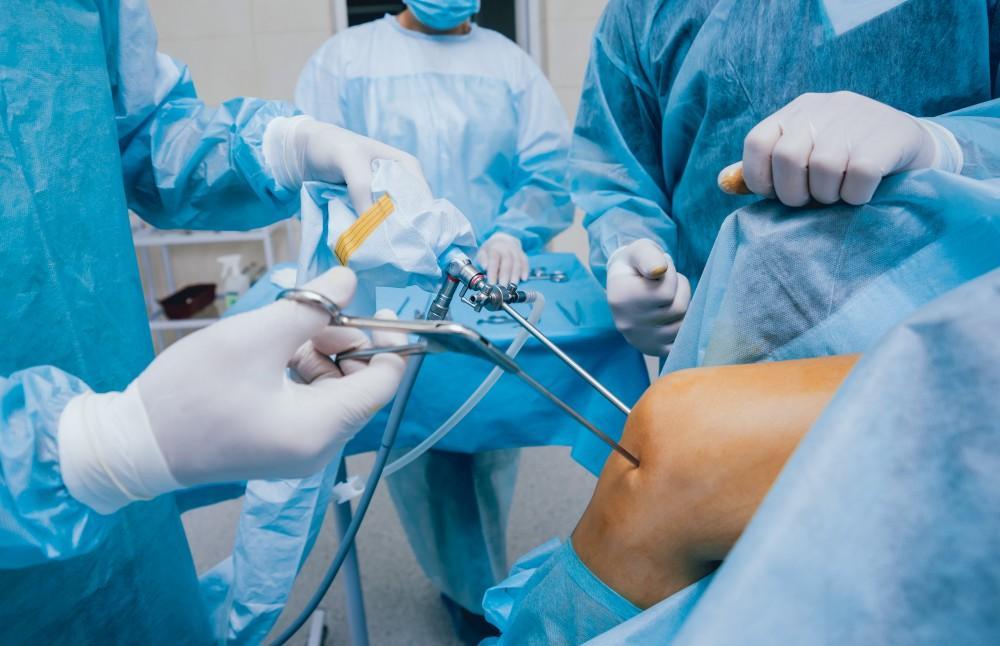
Arthroscopic surgery is a minimally invasive technique used to diagnose and treat a wide range of joint problems. Instead of making large incisions, surgeons use a tiny camera (arthroscope) inserted through small keyhole cuts to visualize the joint in real time. This allows for accurate, targeted treatment with minimal trauma to surrounding tissues.
At Starcare International Hospital’s Department of Orthopaedics & Spine, arthroscopic procedures are performed by highly experienced orthopaedic surgeons using advanced surgical tools and imaging systems. The result is faster recovery, reduced pain, and significantly improved outcomes compared to traditional open surgery.
What Conditions Can Be Treated with Arthroscopy?
Arthroscopy is widely used to address both common and complex joint conditions involving the knee, shoulder, ankle, wrist, hip, and elbow. Conditions commonly treated include:
Knee
-
Meniscal tears
-
Anterior cruciate ligament (ACL) reconstruction
-
Posterior cruciate ligament (PCL) injuries
-
Cartilage damage or loose bodies
-
Synovitis (joint lining inflammation)
-
Patellar tracking issues
Shoulder
-
Rotator cuff tears
-
Shoulder impingement syndrome
-
Recurrent dislocations and labral tears
-
Frozen shoulder (adhesive capsulitis)
-
Biceps tendon injuries
Ankle
-
Ligament injuries
-
Osteochondral defects
-
Impingement syndromes
-
Synovitis
Arthroscopy can also be performed on the hip, wrist, and elbow in select cases to manage impingement, loose bodies, or labral pathology.
Benefits of Arthroscopic Surgery
Patients undergoing arthroscopy at Starcare benefit from the following:
-
Minimally Invasive Technique: Small incisions reduce surgical trauma, blood loss, and scarring.
-
Faster Recovery: Most patients can return to light activity within days and resume full function in a few weeks.
-
Lower Infection Risk: The small incision size and sterile techniques significantly reduce postoperative complications.
-
Less Pain and Swelling: With reduced tissue damage, postoperative discomfort is minimized.
-
Accurate Diagnosis and Targeted Repair: Direct visualization allows surgeons to treat even subtle injuries with high precision.
-
Day-care or Short-stay Procedure: Many arthroscopic surgeries are performed on a same-day basis, minimizing hospital stays.
What to Expect During the Procedure
Arthroscopic surgeries are typically performed under general, regional, or local anaesthesia depending on the joint involved and the patient’s condition. During the procedure:
-
Small incisions (usually less than 1 cm) are made around the joint.
-
A pencil-sized arthroscope is inserted to transmit high-definition images to a monitor.
-
Additional instruments are introduced to perform repair, removal, or reconstruction.
-
Once complete, incisions are closed with sutures or adhesive strips and the joint is bandaged.
The entire procedure may last from 30 minutes to 2 hours depending on the complexity.
Recovery and Rehabilitation
Recovery times vary based on the joint treated and the nature of the repair. Most patients are discharged the same day or within 24 hours. A customized rehabilitation plan, including physiotherapy, is initiated early to restore joint function and strength.
-
Knee arthroscopy: Recovery begins with early mobilization, progressing to strengthening exercises over 4–6 weeks.
-
Shoulder arthroscopy: May involve sling immobilization followed by progressive range-of-motion exercises.
-
Ankle arthroscopy: Often requires partial weight-bearing initially, progressing to full weight-bearing over 2–3 weeks.
Our physiotherapy and rehabilitation team works closely with orthopaedic consultants to ensure optimal, patient-specific outcomes.
Is Arthroscopy Right for You?
Arthroscopy is ideal for individuals with persistent joint pain, swelling, stiffness, or instability that has not responded to conservative treatment. It offers a solution for both acute sports injuries and chronic degenerative conditions.
At Starcare, every patient is thoroughly evaluated through clinical examination and imaging (X-ray, MRI, or ultrasound) before surgery is recommended.
Expertise at Starcare
Our arthroscopy unit is led by senior consultants with extensive global training in sports medicine, joint preservation, and minimally invasive surgery. With a focus on evidence-based care and patient comfort, we are committed to achieving the best possible outcomes with the least disruption to your life.