
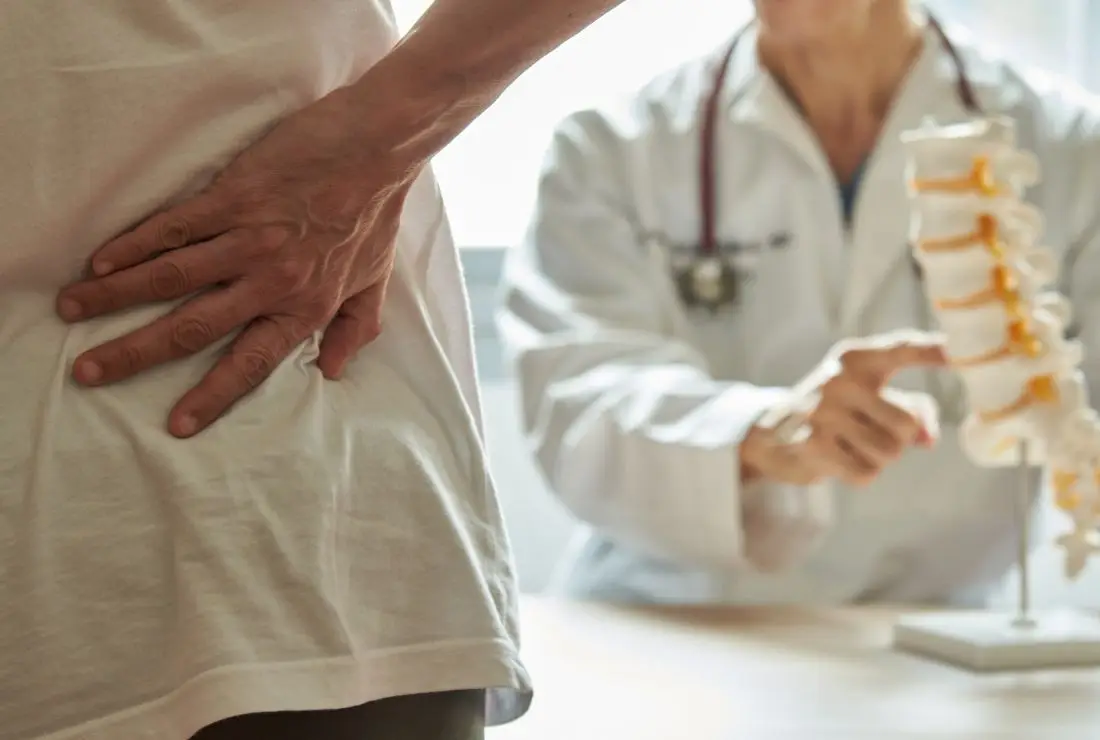
Stabilize Your Spine and Restore Function with Expert Care
Spondylolisthesis is a condition where one vertebra slips forward over the one below it, leading to spinal instability, nerve compression, and chronic back or leg pain. It can affect mobility, posture, and quality of life—especially if left untreated.
At Starcare International Hospital, our spine specialists provide comprehensive care for spondylolisthesis, offering both non-surgical and surgical treatment options based on the severity of the slip, symptoms, and individual lifestyle needs. Our goal is to relieve pain, restore stability, and prevent long-term spinal damage.
What Is Spondylolisthesis?
Spondylolisthesis occurs when a vertebra shifts out of place in the spinal column. It most commonly affects the lower lumbar spine, especially at the L4-L5 or L5-S1 levels. The degree of slippage can vary from mild to severe and is classified in grades (Grade I to IV) depending on the percentage of displacement.
Causes of Spondylolisthesis
-
Congenital (dysplastic) – present from birth due to spinal malformation
-
Isthmic – caused by stress fracture in a small bone segment (pars interarticularis)
-
Degenerative – due to age-related wear and tear of discs and joints
-
Traumatic – following spinal injury or fracture
-
Post-surgical – instability after spinal procedures
-
Pathologic – related to infection or tumor
Symptoms
Mild spondylolisthesis may not cause symptoms. In symptomatic cases, you may experience:
-
Persistent lower back pain
-
Stiffness and limited range of motion
-
Sciatica – radiating pain down the legs
-
Numbness, tingling, or weakness in the legs
-
Muscle spasms in the lower back or hamstrings
-
Difficulty standing or walking for long periods
-
Postural changes or exaggerated inward curve of the lower back (hyperlordosis)
Symptoms often worsen with prolonged activity and improve with rest or forward bending.
Diagnosis at Starcare
Diagnosis involves a detailed spine evaluation with advanced imaging:
-
X-rays: To detect vertebral slippage and assess alignment
-
MRI: To evaluate nerve compression and soft tissue changes
-
CT scan: For detailed bone anatomy and surgical planning
-
Flexion-extension views: To assess spinal stability
Our spine team determines the grade of slippage and develops a tailored management plan.
Treatment Options for Spondylolisthesis
Non-Surgical Treatment (for mild to moderate cases)
-
Rest and activity modification
-
Pain-relieving medications: Anti-inflammatory drugs, muscle relaxants
-
Physiotherapy: Core strengthening, lumbar stabilization, posture correction
-
Bracing: To limit movement and support healing
-
Epidural steroid injections: To relieve nerve root inflammation
-
Lifestyle guidance: Weight management, ergonomic changes
Most patients with low-grade, stable spondylolisthesis can manage their symptoms effectively with conservative care.
Surgical Treatment (for severe, unstable, or non-responsive cases)
Surgery is recommended when:
-
Symptoms persist despite 6–12 weeks of conservative treatment
-
There is evidence of progressing nerve compression
-
Neurological deficits such as weakness or bladder/bowel issues occur
-
The spinal slippage is unstable or severe (high-grade)
Surgical options include:
-
Decompression (Laminectomy or Foraminotomy)
Removal of bone or soft tissue pressing on nerves. -
Spinal Fusion
Stabilization of the slipped vertebra using rods, screws, and bone grafts. Can be performed using minimally invasive techniques in eligible cases. -
Interbody Fusion (PLIF, TLIF, or ALIF)
Fusion of the disc space with cage and graft materials to restore height and alignment.
Our spine surgeons use minimally invasive fusion techniques whenever possible to reduce blood loss, muscle trauma, and recovery time.
Recovery and Rehabilitation
-
Most patients stay in the hospital for 2–3 days after surgery
-
Return to light activities within 4–6 weeks
-
Physical therapy begins early to improve flexibility and strength
-
Full recovery may take 3–6 months depending on the severity and procedure
-
Regular follow-up to monitor fusion progress and long-term stability
Our rehabilitation team works closely with you to support recovery and ensure a safe return to work, sport, or daily life.
Why Choose Starcare for Spondylolisthesis Treatment?
-
Specialized spine surgeons experienced in complex spinal disorders
-
Personalized care with both non-surgical and advanced surgical options
-
State-of-the-art imaging and minimally invasive technologies
-
Dedicated physiotherapy and rehabilitation support
-
Emphasis on patient education, recovery, and long-term prevention
-
High standards of safety, precision, and clinical excellence
At Starcare, we help patients move beyond pain—restoring spine alignment, relieving nerve pressure, and rebuilding lives with confidence.